Biomass-based Diesel: the prospect
In 2026, the U.S. consumes roughly 3.7 to 3.8 million barrels of diesel per day.
To supply this demand with renewable diesel (RD), the estimations are as follow:
- The Consumption Target
- Converting the daily barrels into an annual volume in gallons:
- Daily: \(3.75 \text{ million b/d}\)
- Annual: \(\approx 57.5 \text{ billion gallons per year}\)
- Daily: \(3.75 \text{ million b/d}\)
- The Biomass Feedstock:
Renewable diesel is made via hydrotreating, which requires specific fats and oils (lipids) or, in advanced scenarios, “lignocellulosic” biomass (wood/stalks) via pyrolysis.
A. Lipids (Soybean Oil, Corn Oil, Tallow)
- This is the current industry standard. The conversion is highly efficient because the feedstock is already an oil.
+ Yield: It takes roughly 7.5 to 8.0 lbs of oil to produce 1 gallon of renewable diesel.
+ To replace all U.S. diesel, roughly 450 billion lbs of fats/oils would be needed.
+ The current entire U.S. soybean crop currently produces about 26 billion lbs of oil: 17 times the entire U.S. soybean production would be needed to completely replace petroleum-based diesel production.
B. Cellulosic Biomass (Wood Chips, Corn Stover)
- Involves heating wood or stalks to create “bio-crude” (pyrolysis) and then refining it. This is not yet done at a national scale.
+ Yield: Roughly 100 gallons of fuel per dry ton of biomass.
+ To replace all U.S. diesel: 575 million dry tons of biomass per year would be needed.
+ The USDA “Billion-Ton Report” suggests the U.S. could sustainably harvest about 1 billion tons of biomass annually. Replacing diesel would consume more than half of this total bio-potential.
- Summary Estimation Table
- To replace 100% of petroleum diesel (57.5 Billion Gallons):
Code
BiomassForRenewableDiesel.df <- read.csv("assets/BiomassForRenewableDieselBiomassForRenewableDiesel.csv")


DT::datatable(BiomassForRenewableDiesel.df, caption = "Biomass requirement to replace 100% of petroleum diesel", rownames = F)
Additional constraint: the hydrogen requirement. Hydrotreating requires massive amounts of hydrogen (\(H_2\)).
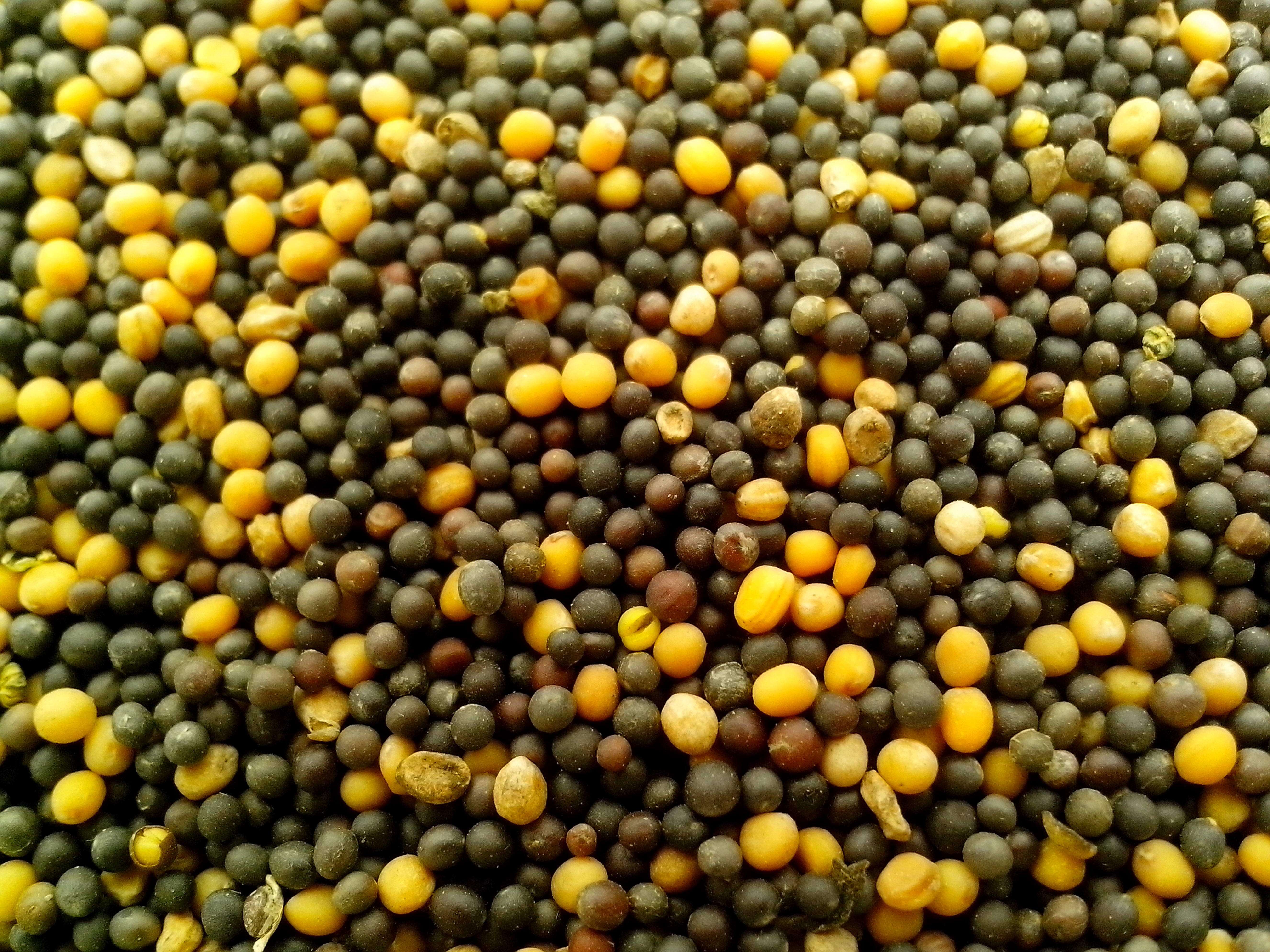
The lipid gap: to replace 100% of diesel with soybean oil, roughly 17 to 20 times the entire current U.S. soybean oil output is needed. This highlights why “second-generation” feedstocks like cover crops (Camelina, Winter canola and CoverCress) as well as algae represent valid alternatives.
The cellulosic capacity: If using woody biomass or agricultural residue (like corn stover), replacing all diesel would require roughly 1.36 billion dry tons of biomass. This actually exceeds the total estimated “sustainable” biomass potential of the entire United States (~1 billion tons).